
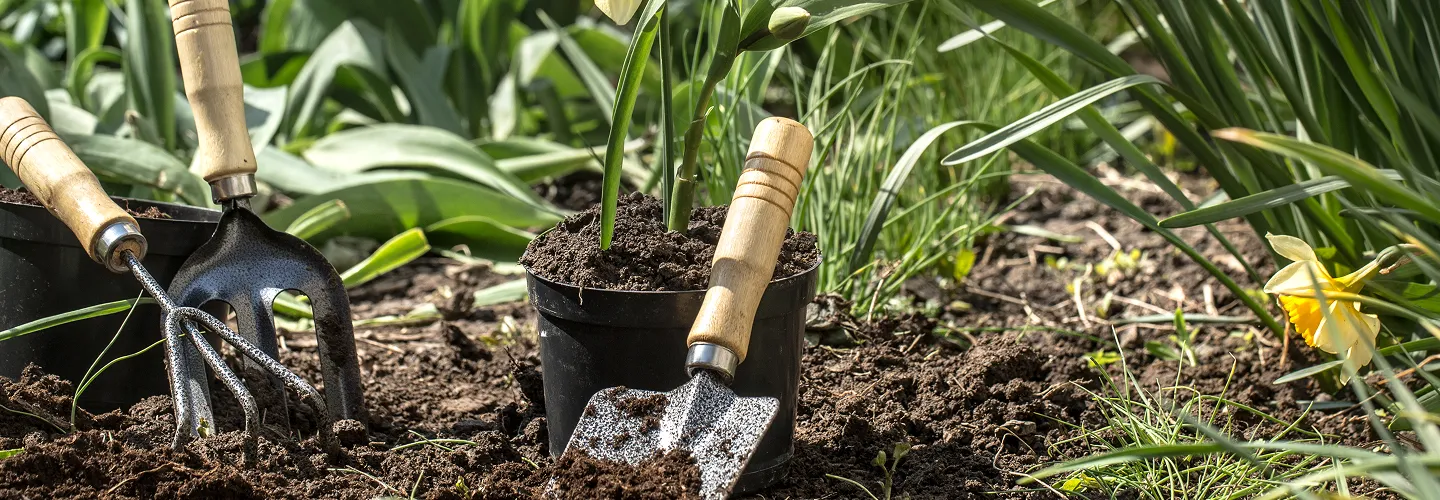
Homer Glen Plant Removal Services
Choose our plant removal services for safe, thorough, and eco-friendly solutions that restore your landscape’s beauty while saving you time and effort.
Get a Free QuoteOur Homer Glen Landscaping & Yard Care Services
When to Schedule Plant Removal in Homer Glen, IL – Seasonal Guide
In Homer Glen, IL, the best time to schedule plant removal is typically during late fall after the first frost or in early spring before new growth begins. The region’s climate, with its cold winters and humid summers, means that plants become dormant in the colder months, making removal less disruptive to the surrounding landscape. Neighborhoods near Messenger Marsh or along 143rd Street often experience heavy shade coverage and clay-rich soils, which can influence root growth and removal difficulty.
Local environmental factors such as the average last frost date in April, summer drought risk, and periodic heavy rainfall all play a role in determining the optimal removal window. It’s also important to consider municipal guidelines and any restrictions set by the Village of Homer Glen, which can be found on Homer Glen's Official Website. Consulting these resources ensures compliance with local ordinances and helps protect the area’s natural beauty.
Local Factors to Consider for Plant Removal in Homer Glen
- Tree and shrub density, especially in wooded areas like those near the Forest Preserves
- Soil type (clay, loam, or sandy soils) and drainage conditions
- Seasonal precipitation patterns and risk of soil saturation
- Shade coverage from mature trees or nearby structures
- Local frost dates and temperature fluctuations
- Municipal restrictions or permit requirements
- Terrain and accessibility, particularly in neighborhoods with sloped lots or naturalized landscapes
Benefits of Plant Removal in Homer Glen
Improved Curb Appeal
Healthier Landscape
Enhanced Safety
Increased Property Value
Efficient and Timely Service
Eco-Friendly Disposal
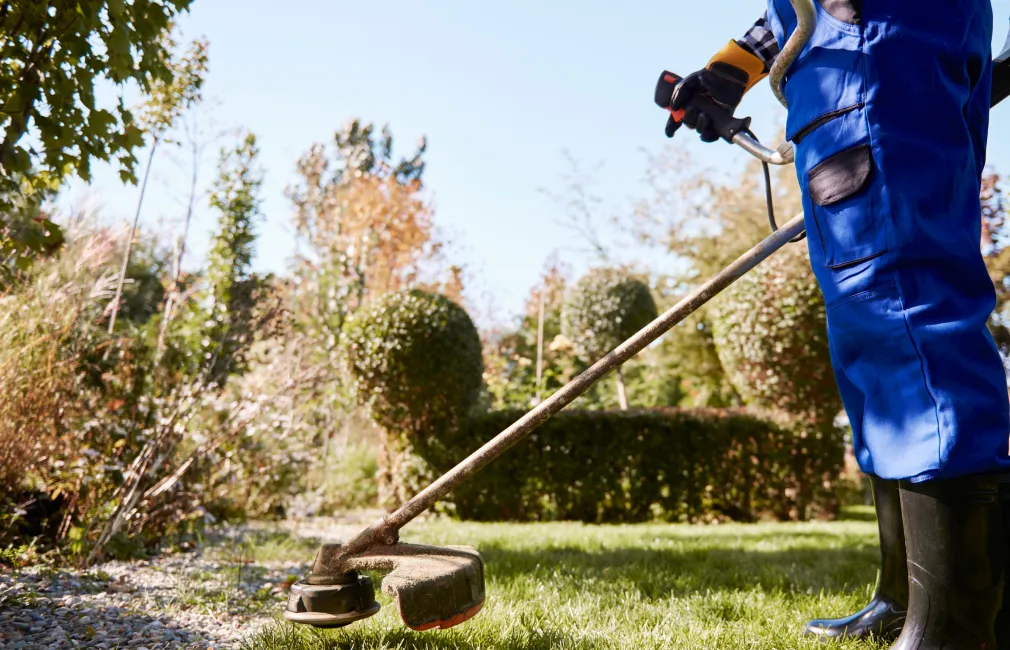
Homer Glen Plant Removal Types

Tree Removal
-
Shrub Removal
-
Stump Grinding
-
Invasive Species Removal
-
Root System Extraction
-
Overgrown Vegetation Clearing
-
Dead Plant Disposal
Our Plant Removal Process
Site Evaluation
Preparation and Safety Measures
Plant Extraction
Debris Removal
Site Restoration
Why Choose Homer Glen Landscape Services
-
Homer Glen Homeowners Trust Us
-
Expert Lawn Maintenance
-
Reliable Seasonal Cleanup
-
Competitive Pricing
-
Professional Team
-
Satisfaction Guarantee
-
Personalized Service
Contact Homer Glen's Department of Public Works for Plant Material Disposal & Organic Waste Management
Homer Glen maintains a comprehensive plant material disposal program to ensure safe, environmentally responsible management of organic waste. Residents must follow strict guidelines for seasonal yard waste collection, including the use of biodegradable paper bags (no plastic permitted) and bundling woody material in 4-foot lengths not exceeding 50 pounds. Composting facilities require permits and may charge fees for large loads or commercial drop-offs. Specialized disposal categories include:
- Invasive species: bagged in heavy-duty plastic and sent to landfill (never composted)
- Diseased plants: quarantined and disposed of under controlled conditions
- Hazardous plants: handled with special protocols
- Healthy native plants: accepted for municipal composting
- Large woody material: coordinated with municipal chipping services
All materials must be staged on private property, never in the street or near storm drains, and immediate cleanup is required to prevent the spread of seeds or pathogens. Coordination with municipal beautification and environmental programs is encouraged. For more information, contact:
Homer Glen Department of Public Works
14240 W 151st St, Homer Glen, IL 60491
Phone: (708) 301-0632
Official Website: Homer Glen Department of Public Works
Professional Plant Assessment, Species Identification & Removal Prioritization in Homer Glen's Prairie Till Plains
Professional botanical assessment is essential for responsible plant removal in Homer Glen's Prairie Till Plains, where glacial drift soils support diverse native and non-native species. Certified experts use taxonomic keys and scientific nomenclature for accurate species identification, referencing the Illinois Department of Natural Resources prohibited plant lists and consulting University of Illinois Extension for complex cases. Comprehensive site evaluations include soil condition analysis, root system assessment, and ecological value determination. Removal prioritization follows:
- Immediate: invasive species, diseased plants, safety hazards
- High: declining ornamentals, overcrowded plantings
- Moderate: healthy plants needing relocation
Documentation includes photographic records, species verification, and site condition reports, coordinated with restoration planning professionals. For site-specific guidance, contact:
Homer Glen Community Development Committee
14240 W 151st St, Homer Glen, IL 60491
Phone: (708) 301-0632
Official Website: Homer Glen Community Development Committee
Illinois Environmental Protection Agency Requirements for Plant Removal & Water Quality Protection
Plant removal in Homer Glen must comply with Illinois Environmental Protection Agency (IEPA) requirements to protect water quality and local ecosystems. Coordination with watershed protection programs and adherence to Total Maximum Daily Load (TMDL) standards are mandatory. Removal operations must prevent sediment and debris from entering rivers, streams, and storm drains, with erosion control measures such as silt fences and straw wattles. Immediate site protection includes minimizing soil compaction, safeguarding root zones, and staging materials to prevent runoff. Restoration planning requires native species replacement in sensitive areas and integration with Homer Glen's biodiversity and environmental goals. For regulatory details, consult:
Illinois Environmental Protection Agency
1021 North Grand Avenue East, Springfield, IL 62794
Phone: (217) 782-3397
Official Website: Illinois Environmental Protection Agency
Invasive Species Management & Specialized Disposal Requirements Under Illinois Regulations
Homer Glen faces significant challenges from invasive species such as:
- Buckthorn (Rhamnus cathartica/frangula)
- Bush Honeysuckle (Lonicera maackii, L. tatarica)
- Garlic Mustard (Alliaria petiolata)
- Japanese Honeysuckle (Lonicera japonica)
- Multiflora Rose (Rosa multiflora)
- Autumn Olive (Elaeagnus umbellata)
- Reed Canary Grass (Phalaris arundinacea)
Removal protocols are species-specific, with timing to prevent seed dispersal and mechanical or chemical methods as appropriate. All invasive material must be bagged in heavy-duty plastic and disposed of in certified landfills—composting is strictly prohibited. Equipment must be sanitized between sites, and transportation protocols enforced to prevent spread. Follow-up monitoring is required at 6-month and annual intervals, with documentation submitted to municipal and state databases. For technical support, contact:
Illinois Department of Natural Resources
One Natural Resources Way, Springfield, IL 62702
Phone: (217) 782-6302
Official Website: Illinois Department of Natural Resources
Professional Certification, Safety Standards & Hazardous Plant Protocols
All plant removal professionals in Homer Glen must hold appropriate certifications, such as Illinois Certified Arborist or ISA credentials, and pesticide applicator licenses from the Illinois Department of Agriculture when chemical control is used. Safety protocols require personal protective equipment (PPE) including safety glasses, cut-resistant gloves (Level A4+), steel-toed boots, and long sleeves for poison ivy protection. Hazardous plants like poison ivy, giant hogweed, and wild parsnip demand specialized handling, barrier creams, and post-exposure washing. Liability insurance (minimum $1M), environmental impairment coverage, and workers' compensation are mandatory. For health and safety guidance, contact:
Will County Health Department
501 Ella Ave, Joliet, IL 60433
Phone: (815) 727-8480
Official Website: Will County Health Department
Seasonal Timing, Wildlife Protection & Weather Coordination for Homer Glen's Climate Zone 5b
Homer Glen's USDA Hardiness Zone 5b climate requires careful timing for plant removal. The optimal window for most invasive species is fall through winter (October-March), when energy reserves are lowest. Early spring (March-April) is ideal before wildlife nesting, while late spring/early summer (May-June) targets certain species during active growth. Summer restrictions (July-August) protect wildlife and reduce plant stress. Weather coordination uses National Weather Service Chicago data for soil moisture, temperature (60-85°F for herbicide efficacy), and wind speed (under 15 mph). Mandatory wildlife surveys are required during breeding season, with documentation of any encounters and work modifications. For climate and timing advice, consult:
National Weather Service Chicago
333 W University Dr, Romeoville, IL 60446
Phone: (815) 834-1435
Official Website: National Weather Service Chicago
Post-Removal Site Restoration, Soil Amendment & Native Species Establishment
Restoration after plant removal is critical for ecological health. Soil testing through University of Illinois Extension determines pH, nutrients, and organic matter. Amendments such as 1-3 inches of compost are incorporated into the top 6-8 inches, with lime added as needed. Immediate stabilization uses annual ryegrass or winter rye within 24-48 hours, followed by permanent native species suited to prairie, woodland, or riparian conditions. Mulching and erosion control blankets are applied on slopes. Long-term plans focus on native community reestablishment, habitat enhancement, and integration with green infrastructure. Monitoring includes 1-2 growing seasons of care and rapid response to invasive regrowth. For restoration support, contact:
University of Illinois Extension
801 N Country Fair Dr, Champaign, IL 61821
Phone: (217) 333-5900
Official Website: University of Illinois Extension
Stormwater Management & Erosion Control During Plant Removal Operations in Compliance with Homer Glen's MS4 Program
Homer Glen's MS4 permit under the Clean Water Act and EPA NPDES requires immediate erosion control for exposed soil areas over 1,000 square feet. Best management practices include perimeter controls, inlet protection, and daily mechanical cleanup of debris. Equipment must be staged away from storm drains, and temporary barriers installed during operations. Long-term benefits of restoration include improved infiltration, reduced runoff, and enhanced water quality. Compliance monitoring involves weekly inspections for the first month, then monthly, with photographic documentation and prompt repair of any damage. For federal compliance, contact:
U.S. Environmental Protection Agency, Region 5
77 W Jackson Blvd, Chicago, IL 60604
Phone: (312) 353-2000
Official Website: U.S. Environmental Protection Agency, Region 5
Utility Coordination & Infrastructure Protection for Safe Plant Removal Operations
Before any excavation or root removal, Homer Glen requires mandatory JULIE (811) notification at least 48 hours in advance. Utility locations must be marked and verified with photographic documentation. Hand-digging is required within 18 inches of marked utilities, including irrigation and low-voltage systems. Safety protocols specify minimum approach distances to overhead lines and coordination with utility companies for clearance. Specialized techniques such as selective root pruning and root barriers protect infrastructure. Final inspection and approval are coordinated with:
Homer Glen Building Department
14240 W 151st St, Homer Glen, IL 60491
Phone: (708) 301-1301
Official Website: Homer Glen Building Department
What Neighborhoods Do We Serve Throughout Homer Glen, IL?
Homer Glen's neighborhoods each present unique plant removal challenges:
- Evlyn's Gate: Mature woodlands, high invasive pressure, sensitive wetland buffers, limited equipment access, strong HOA landscape standards, opportunities for woodland restoration
- Goodings Grove: Mix of native and ornamental plantings, moderate invasive density, proximity to stormwater detention basins, utility corridors, community-driven beautification projects
- Stonebridge Woods: Young landscapes, prairie remnants, high property value expectations, strict architectural review, pollinator garden potential
- Hidden Valley Estates: Dense tree canopy, complex underground utilities, historic district compatibility, native understory enhancement
- Kingston Hills: Open spaces, prairie and savanna restoration opportunities, conservation easements, wildlife habitat creation
- Old Oak Estates: Mature oaks, rare species habitat, water quality protection zones, restoration of native groundcover
- Cedar Brooke: Wetland adjacency, high reed canary grass pressure, stormwater management focus, green corridor integration
Each area requires tailored assessment of plant communities, environmental sensitivities, infrastructure complexity, community standards, and restoration opportunities. For neighborhood-specific guidance, contact:
Homer Glen Planning and Zoning Commission
14240 W 151st St, Homer Glen, IL 60491
Phone: (708) 301-0632
Official Website: Homer Glen Planning and Zoning Commission
Homer Glen Municipal Ordinances for Plant Removal Equipment Operation & Commercial Service Standards
Homer Glen enforces strict municipal ordinances for plant removal operations. Equipment may operate from 7:00 AM to 8:00 PM on weekdays and 9:00 AM to 6:00 PM on weekends, with noise restrictions and residential area limitations. Commercial providers must hold a business license, contractor registration, general liability and workers' compensation insurance, and bonding where required. Pesticide applicators need state licensing. Safety protocols include traffic control, proper equipment operation, pedestrian safety, and right-of-way permits. Environmental compliance mandates proper material handling, vehicle maintenance, and adherence to Illinois EPA regulations. For ordinance details, contact:
Homer Glen Code Enforcement
14240 W 151st St, Homer Glen, IL 60491
Phone: (708) 301-0632
Official Website: Homer Glen Code Enforcement